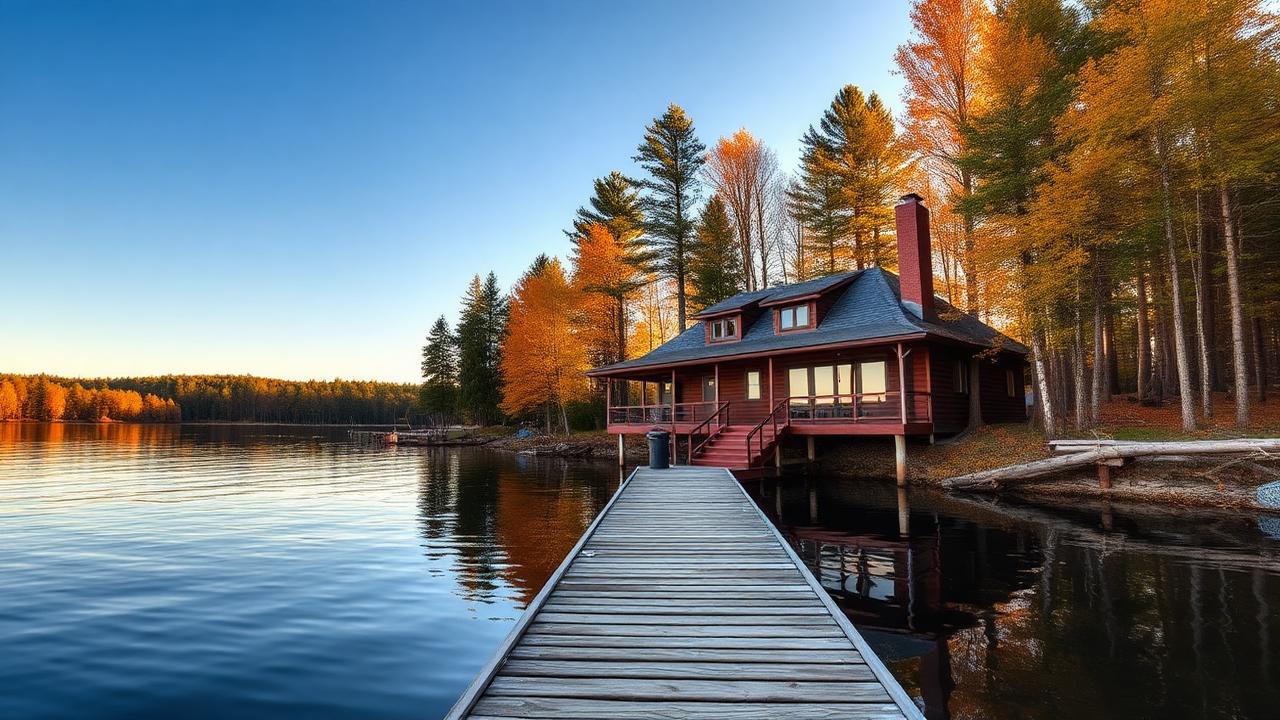
How Cottage Mortgages Differ From Regular Mortgages
Financing a cottage or vacation property in Ontario comes with unique challenges that many buyers don't anticipate. Lenders treat recreational properties differently from primary residences: they typically require a larger down payment (often 20% minimum), may charge slightly higher rates, and have stricter property requirements. Seasonal access roads, well water, septic systems, and properties that aren't winterized can all complicate financing. Some lenders won't finance properties that are only accessible by water or that lack year-round road access. Understanding these distinctions before you start shopping ensures you don't fall in love with a property you can't finance.
Down Payment and Qualification for Vacation Properties
Most lenders require 20% down for a vacation property, though some will accept 10–15% if the property meets specific criteria (winterized, year-round access, permanent foundation). You'll need to qualify with both your primary residence mortgage and the cottage mortgage, so your debt service ratios need room for the additional carrying costs. The good news: if you plan to rent the cottage during parts of the year, some lenders will count a portion of the projected rental income to help you qualify. Properties in established cottage areas like Muskoka, the Kawarthas, Haliburton, and Prince Edward County generally appraise well and have strong lender acceptance.
Ontario's Top Cottage Markets and Price Ranges
Ontario's recreational property market spans a wide price range. Muskoka — the most prestigious cottage market — ranges from $500,000 for a modest lakefront cabin to $5 million+ for prime waterfront estates. The Kawarthas offer better value at $350,000–$800,000 for waterfront properties. Prince Edward County, popular with Toronto buyers, ranges from $400,000–$1.2 million. Haliburton Highlands and Georgian Bay are mid-range at $400,000–$900,000. Further north, areas like Parry Sound and Algonquin offer entry points under $400,000. Each area has different lender acceptance levels — some smaller cottage markets have limited comparable sales, which can affect appraisal values and financing options.
Insurance and Additional Costs to Budget For
Cottage insurance in Ontario is more expensive than regular home insurance, typically $2,000–$5,000+ annually depending on location, construction, and proximity to fire services. Properties that are far from fire halls or rely on volunteer fire departments face higher premiums. You'll also need to budget for septic system maintenance ($200–$500/year for pumping), well water testing ($50–$150/year), winterization costs if the property isn't used year-round, and potentially higher property taxes in some cottage municipalities. Road maintenance fees for private roads can add $1,000–$3,000/year. These carrying costs significantly impact your monthly budget beyond just the mortgage payment.
Rental Income: Offsetting Your Cottage Costs
Many Ontario cottage owners rent their property during peak weeks to help offset carrying costs. Platforms like Airbnb and VRBO have made this easier than ever, and a well-located Ontario cottage can generate $15,000–$40,000+ in seasonal rental income. However, there are important considerations: some municipalities have short-term rental bylaws that restrict or prohibit vacation rentals, rental income is taxable, and frequent rentals can increase your insurance costs. From a mortgage perspective, if you plan to declare rental income, structure it properly from the start — your broker and accountant can help ensure the arrangement works for both lender qualification and tax optimization.
Frequently Asked Questions
How much down payment do I need for a cottage in Ontario?
Most lenders require a minimum 20% down payment for recreational properties. Some will accept 10–15% if the property is winterized, has year-round road access, and a permanent foundation. Expect stricter requirements for seasonal or water-access-only properties.
Can I get a mortgage for a cottage that's only accessible by water?
It's challenging but possible. Most A-lenders won't finance water-access-only properties. However, some credit unions and alternative lenders will, typically with 25–35% down and higher rates. A broker with experience in recreational property financing is essential.
Are cottage mortgage rates higher than regular mortgage rates?
Not necessarily. If the cottage qualifies as a standard residential property (winterized, year-round access, permanent foundation), rates are typically the same as a primary residence. Properties that don't meet these criteria may see rates 0.25–0.50% higher.
Related Articles
Investment Property Mortgages in Ontario: Rules, Rates & Strategies
Everything you need to know about financing rental and investment properties in Ontario's high-demand market.
Private Mortgage Lenders in Ontario: Navigating B-Lending Options Safely
Detailed analysis of how private lending works for Ontario residents who cannot qualify at traditional banks.
HELOC vs. Refinancing in Ontario: Maximizing Your Home Equity
Explaining the HELOC process for Ontario residents looking to renovate, invest, or consolidate debt.