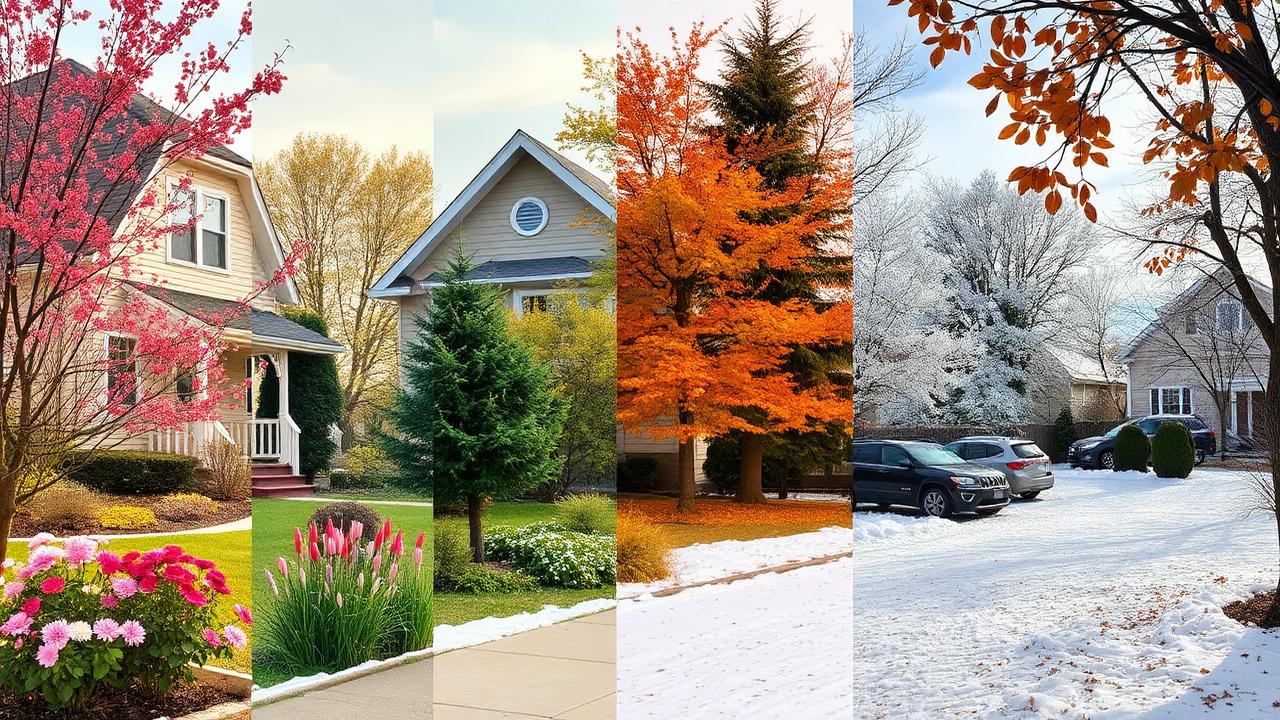
Ontario's Seasonal Real Estate Patterns
Ontario's real estate market follows predictable seasonal patterns that savvy buyers can use to their advantage. Spring (March–May) is the busiest season with the most listings and the most competition — prices tend to be highest as multiple offers drive bidding wars. Summer (June–August) sees steady activity but slightly less competition as families go on vacation. Fall (September–November) brings a second wave of motivated sellers and buyers, often with more reasonable pricing. Winter (December–February) is the quietest season with fewer listings but also fewer competing buyers — this is often when the best deals are found. Understanding these cycles helps Ontario families time their purchases for maximum value.
How Bank of Canada Rate Cycles Affect Timing
The Bank of Canada's interest rate decisions create cycles that significantly impact both buying power and refinancing opportunities. When rates are expected to decrease, variable-rate mortgages become more attractive and waiting to lock in a fixed rate might save money. When rates are rising, locking in quickly protects your budget. Rate hold periods (typically 90–120 days) allow you to secure today's rate while continuing to shop — this is especially valuable during uncertain rate environments. For refinancing, the ideal time is when rates have dropped meaningfully from your current rate and you have sufficient equity to qualify. I monitor rate trends continuously and alert clients when conditions favour their specific situation.
The Ontario Markets Where Timing Matters Most
Timing matters more in competitive urban markets like Toronto, Mississauga, and Ottawa, where seasonal price swings can be 5–10%. In Toronto's condo market, for example, winter listings often sell for 3–5% less than identical spring listings due to reduced competition. In smaller Ontario cities like London, Kingston, or Barrie, seasonal fluctuations are less pronounced because inventory is more limited year-round. New construction timing is different altogether — purchasing pre-construction in the early phases often yields the best pricing, regardless of season. For cottage country (Muskoka, Kawarthas), spring brings the most inventory but winter offers the best negotiating position.
Market Timing vs. Personal Timing
While understanding market cycles is valuable, the truth is that the best time to buy is when you're financially ready and you find the right property. Trying to perfectly time the market is as difficult in real estate as it is in stocks. What matters more: your financial stability, your debt levels, your credit score, your down payment readiness, and whether you plan to hold the property for at least 5 years. Ontario's long-term real estate trajectory has been upward despite temporary corrections. A buyer who purchased at the 'worst' time in 2017 and held for 5+ years still saw significant appreciation. Focus on your personal readiness first, then use seasonal knowledge to optimize within your timeline.
Signs That It's Time to Act
Certain signals suggest the market favours buyers or refinancers. For buying: increased days on market (properties sitting longer than usual), reduced bidding wars, growing inventory levels, and sellers offering incentives like closing cost contributions. For refinancing: your current rate is more than 0.50% above available rates, you have high-interest debts that could be consolidated, or your home has appreciated enough to eliminate mortgage insurance. I help clients recognize these opportunities and act decisively. In Ontario's market, hesitation can cost you — but so can rushing. The key is being prepared so you can move confidently when conditions align with your goals.
Frequently Asked Questions
What is the cheapest month to buy a house in Ontario?
December through February typically offers the best pricing in Ontario due to reduced buyer competition. However, inventory is also lower, so you'll have fewer options. The best value often comes in late fall (November) when motivated sellers want to close before year-end.
Should I wait for interest rates to drop before buying in Ontario?
Not necessarily. If rates drop, home prices often rise as more buyers enter the market — so you may not save overall. If you're financially ready and find the right property, buying now and refinancing later when rates drop can be a smart strategy.
How long should I plan to own a home in Ontario to make buying worthwhile?
Generally, plan to hold for at least 5 years to cover transaction costs (land transfer tax, legal fees, real estate commissions) and benefit from appreciation. Ontario's average annual home price appreciation has been 5–7% over the past 20 years, though past performance doesn't guarantee future results.
Related Articles
The Ultimate Ontario First-Time Home Buyer Guide: Grants, Rebates & Tips
A step-by-step walkthrough of the first-time home buyer incentives specifically available to Ontario residents.
Ontario Mortgage Rates: Fixed vs. Variable in Today's Shifting Market
An exhaustive guide explaining the differences between fixed and variable rates specifically within the Ontario housing market.
Total Closing Costs in Ontario: A Transparent Breakdown for Home Buyers
A deep dive into the hidden costs of closing a home in Ontario, from legal fees to provincial taxes.